



ABSTRACT:
OBJECTIVE: Suicide represents 1% of all deaths in the world, and it is more prevalent in developing
countries. Because suicide mortality has been growing in recent years in Brazil, we
investigated whether patients who committed suicide in 2022 in Fortaleza sought care
in the state's only psychiatric emergency service before the act.
METHODS: This retrospective cross-sectional study used data from electronic psychiatric emergency
records and reports from the state department of forensics.
RESULTS: A total of 292 deaths (25% women) were identified, representing almost 2% of mortality
in Fortaleza that year. Only 2.7% of those who committed suicide during this period
requested an emergency psychiatric evaluation in the 3 months prior to death. Of these
individuals, 75% mentioned suicidal ideation. Most deaths (70%) were due to hanging.
CONCLUSION: The majority of patients who committed suicide in Fortaleza in 2022 did not seek care
from the psychiatric emergency service prior to the event; further studies are needed
to investigate the causes of this behavior.
Keywords: Suicide; psychiatric emergency; mortality.
FIGURES
| Note: How to cite this article: Asfor ACP, Melo MCA. Emergency psychiatric care seeking among individuals who died by suicide in Fortaleza in 2022. Braz J Psychiatry. 2025;47:e20243635. http://doi.org/10.47626/1516-4446-2024-3635 |
| Received: March 21 2024; Accepted: October 15 2024 |
INTRODUCTION
Suicide is defined as a conscious and intentional act by an individual for the purpose of self-extermination. It is not always easy to identify and classify suicidal behaviors, which has impeded standardized studies on the topic. Suicidal ideation is defined as the act of thinking, considering, or planning suicide. Suicidal self-directed violence, commonly called a suicide attempt, is when an individual unsuccessfully performs an action for the purpose of self-extermination. Suicidal threats and gestures occur when patients do not intend to die, but acts with the aim of making others believe that this is their plan. Furthermore, self-injurious behaviors may or may not be associated with a desire to die, but all of these definitions are included in studies on suicide.1
It is estimated that 700,000 individuals worldwide die annually by suicide, which represents around 1% of all deaths in the world. According to the World Health Organization, suicide rates increased by 17% in the Americas despite a downward global trend.2 In the United States, suicide is the 10th most common cause of death. Attempted suicide is even more common, with more than 1 million attempts occurring per year.3 It is estimated that 77% of suicides occur in low- and middle-income countries.2 A systematic review of 120,076 patients evaluated suicidal ideation during the COVID-19 pandemic, finding an increased rate of ideation compared to the pre-pandemic period.4
Some suicide risk factors described in the literature include being male, previous suicide attempts, psychiatric disorders and debilitating chronic illnesses,5 unemployment and lower work qualifications,6 being in the military, old age, hopelessness, substance use, being a sexual minority,7 a history of childhood sexual abuse and neglect,8 and a family history of suicide. Protective factors include social support, being married, children, and spirituality/religiosity.5
A 2017 article summarizing the main guidelines and evidence on suicide prevention addressed some of the difficulties inherent in assessing and managing suicidal ideation. First, many primary care providers feel unprepared to screen for suicidal ideation. Many professionals do not screen for suicidal thoughts, even in depressed individuals. In addition, patients are often ashamed of discussing mental health topics due to the stigma involved and the belief that they should be able to control psychiatric symptoms on their own. Treatment facilities are another factor that contributes to this difficulty, being often inadequate and overcrowded, with little time available for an adequate assessment of mental disorders. Finally, it can be challenging for professionals to quickly schedule referrals with specialists when necessary.9
This article investigated treatment seeking at a specialized psychiatric emergency service prior to suicide in Fortaleza, Brazil, a city with only one emergency room with multidisciplinary trained staff for mental health assistance.
METHODS
This retrospective cross-sectional study compared data from the electronic medical records of Hospital de Saúde Mental Professor Frota Pinto (HSMPFP) and reports from the Forensic Evidence Department of Ceará (Departamento de Perícia Forense do Estado do Ceará, PEFOCE). HSMPFP, the only hospital in the state of Ceará with a 24-hour psychiatric emergency room, has 180 psychiatric inpatient beds.10 PEFOCE provides expert medical opinions for the state legal system. It is headquartered in Fortaleza, with seven other centers throughout the state.11 The sample consisted of cases investigated at the PEFOCE headquarters in Fortaleza in 2022 in which suicide was suspected. Data from the Brazilian Unified Health System's Mortality Information System were also used. The project received ethics committee approval (decision 70787123.7.0000.5040). The anonymity of the deceased was preserved during the study. The following data were collected from PEFOCE: identity, date of death, sex, and age. HSMPFP's electronic database was analyzed, and individuals admitted to the hospital's emergency department at any time since the electronic medical records system was introduced (in 2016) were identified. After this evaluation, the following data were collected: age, sex, place of origin, profession, history of psychoactive substance use, clinical comorbidities, work shift in which the emergency room visit occurred, use of psychiatric medications (antidepressants, mood stabilizers, or antipsychotics), number of emergency department admissions, year and month of last admission, treatment prescribed, and diagnosis suggested by the attending physician. The time between emergency department admission and the event was also assessed (dichotomized as < or > 3 months), whether suicidal ideation was investigated, whether the method was investigated, and whether previous attempts were reported. After this stage, the suicide methods of patients who were treated at the hospital's emergency department were analyzed according to the forensic reports. Intended methods of suicide reported in the hospital records were compared with the forensics report. Statistical analysis was performed in JAMOVI 2.3. Normality tests were performed, and means and prevalence of quantitative variables were evaluated. Analysis was carried out using Pearson's chi-square test and Fisher's test to measure associations between categorical variables, the t-test for normally distributed continuous, and the Mann-Whitney U test for non-normally distributed variables.
RESULTS
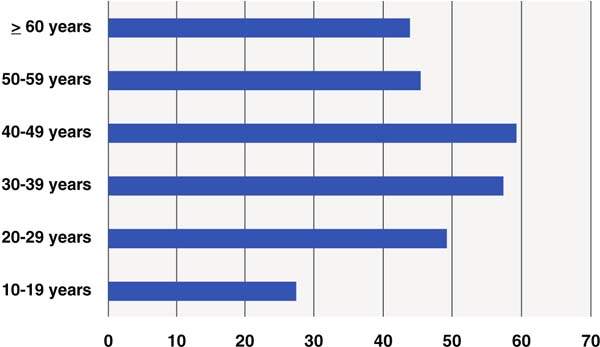
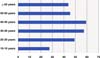
According to official city data for 2022, 292 people committed suicide out of a total of 23,248 deaths, representing 1.9% of all deaths in the period. Of the 292 suicide deaths, 73 were female (25%) and 218 (74.6%) were male, which follows the historical prevalence trends. The average age was 41.97 years, and the age group distribution is shown in Figure 1. While suicides accounted for 7.29% of all deaths among 10- to 19-year-olds in Fortaleza, they accounted for only 0.02% of all deaths among people aged = 60 years.
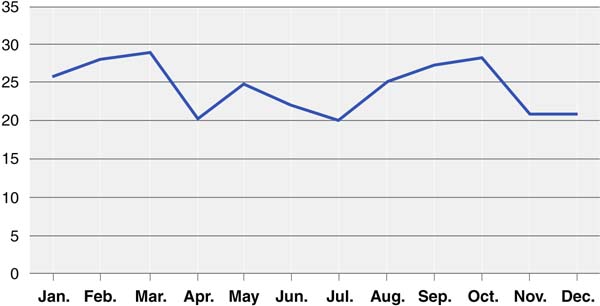
Figure 2 shows the distribution of suicide deaths in each month of 2022. The highest number was in March (29) and lowest number was in April and July (20 each). There seems to have been two peaks of prevalence, towards the beginning and end of the year, which had little impact on the frequency during or immediately after September.
Of this population, 30 individuals had been treated at the HSMPFP emergency room between 2016 and 2022, representing 10% of those who committed suicide that year. Among these 30 (10 female [33%]), only nine sought treatment during the year of the event, with eight admitted in the 3 months prior to death, totaling 2.7% of the patients who committed suicide in 2022. However, of the patients treated in the days before their death, 62.5% were female.
The average age of individuals who sought emergency care was 40.2 years. Of these, 83% were from Fortaleza, 23% did not report their profession, and 16.6% were unemployed. Moreover, 50% of these patients visited the unit only once, and 30% had been admitted three or more times.
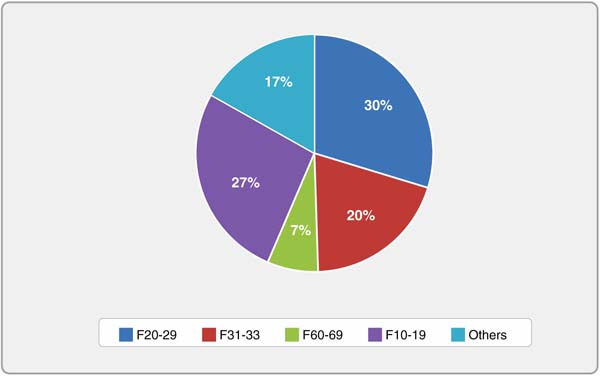
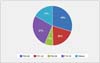
Patient diagnoses according to the ICD-10 nomenclature are shown in Figure 3. The most common conditions were psychotic disorders and disorders related to the use of psychoactive substances, representing 30% and 26.6% of the cases, respectively. Personality disorders were the least frequent type (6.6%).
Psychoactive substance use was reported by 50% of the patients and this information was missing for another 36.6%. Regarding continuous medications, 30% of the patients were using antidepressants, 20% were using mood stabilizers, and 20% were using antipsychotics. In 26.6% of the records, it was unclear whether the individual was using a psychotropic medication.
Of the 30 individuals treated in the HSMPFP emergency room, 36.6% were hospitalized and 60% reported suicidal ideation even in visits distant from the event, while 33% had previous suicide attempts. Of those who sought emergency care in the 3 months prior to death, 75% mentioned suicidal ideation. However, the planned method was investigated in only 33%. Regarding medical treatment, hospitalization was recommended for 37.5% of the patients, and medication adjustment and referral to the healthcare system occurred in 50% of the visits.
Of the 30 treated individuals, the cause of death of only one was undetermined. Of the others, the most frequent cause of death was hanging (70%), followed by trauma and burns. One surprise was that no deaths were due to self-poisoning with psychiatric medications; the only self-poisoning was with caustic soda. Only three patients committed suicide using the method they mentioned in the emergency evaluation, of whom only one came to the emergency room in the 3 months prior to suicide.
No significant associations were found among the data, except between the shift in which the visit occurred and treatment recommendation by the attending physician, as well as an association between being female and non-investigation of psychoactive substance use (i.e., 15.8% in males vs. 72.7% in females, p = 0.007). The probability that physicians would recommend hospitalization was similar in the day and night shifts (36.8 vs. 36.4%, respectively). However, day shift physicians were more likely than night shift physicians to make medication adjustments and refer the patient to the healthcare system (such as Psychosocial Care Centers or Basic Health Units) for continued treatment (42.1% medication adjustments and referrals vs. 0%, respectively). Additionally, day shift physicians recorded their medical decision more frequently (unclear records in 0% vs. 27.3%, respectively).
DISCUSSION
The present study demonstrates the very low rate of treatment seeking at the only psychiatric emergency service in Fortaleza prior to suicide. This means that, although patients are evaluated daily in this unit due to suicidal ideation or failed suicide attempts, those who commit the act generally do not seek emergency room treatment in the days preceding death.
The authors are unaware of other studies on this topic in a similar context in Brazil. Articles on the relationship between suicide and emergency care generally focus on patients who survived suicide attempts or discuss regional epidemiological data, which increases the relevance of our innovative retrospective approach. In clinical practice, it is challenging to differentiate between suicide attempts, which are numerically more common, from the act itself. This analysis also helps differentiate points for intervention in suicide prevention.
This finding raises several hypotheses: the first, which is more optimistic, is that the HSMPFP emergency department has effectively prevented suicide, and thus treatment seeking may represent a protective factor for individuals at risk. However, this hypothesis is hardly provable, as it would be impossible to design a study model to test it.
Because the literature shows that patients often seek medical attention before committing suicide,12 a second and more likely hypothesis would be that people did not seek treatment at the emergency room because they sought it at non-specialized services or at other points in the network, such as their regional Psychosocial Care Center or in private psychiatric evaluations. One way to analyze this in future studies would be to include electronic records from Psychosocial Care Centers, Basic Health Units, and Emergency Care Units. This would allow for a more realistic model of system failures to guide more effective prevention strategies. Another suggestion would be for health managers to unify the electronic records from all health units linked to the Brazilian National Health System. This would improve health care at all points in the network, as professionals would have access to pertinent information about the patient's health history at each consultation, which would also facilitate future research.
The third hypothesis would be that these patients sought no treatment. In this case, preventive approaches should focus on other strategic sectors. Studies in this area could benefit from adding suicide as a sentinel event, so that an active epidemiological surveillance process emerges with a more comprehensive investigation to preventive measures.
Regarding population-based suicide prevention methods, the rates of emergency room visits and suicides do not seem to have been affected by the Brazilian Ministry of Health's Campanha Setembro Amarelo (Yellow September Campaign) in 2022 (Figure 1), which is consistent with the findings of another study on the first five years of this campaign (2015-2020), i.e., that suicide rates continued to increase.13
Nearly 2% of the overall mortality rate in Fortaleza was related to suicide. This is alarming since it is approximately twice the global average according to World Health Organization data.2 The suicide death rate in Fortaleza still follows the pattern of developing regions, which have historically higher rates than developed regions. Furthermore, according to an epidemiological bulletin published in September 2022 by the Ceará State Health Department, the state suicide mortality rate increased by 27.6% between 2010 and 2021, remaining more significant among males.14
This increase is even more serious when analyzed according to age group, i.e., the relative percentage among adolescents is much higher than among older adults (7.29 vs. 0.02%). This is in line with a recent national epidemiological bulletin showing increased suicide rates among children and adolescents,15 which seems to be associated with broader social issues beyond healthcare interventions.
The average age found in this study is compatible with the historical trend of higher mortality among individuals aged 40 to 59, as demonstrated in a previous epidemiological bulletin from Ceará. It showed that the most affected age group was 20 -39 years, followed by 40-59 years.14
The emergency room diagnoses were incompatible with studies worldwide on the relation of psychiatric disorders to suicide. Unipolar depression is a more frequent cause in other countries than in our sample.16 The high prevalence of psychotic disorders and substance use disorders may be associated with the unit's care profile. Despite the small sample size, the trend indicates that women seek psychiatric emergency care before attempting suicide, which is consistent with reports in the literature that women have more suicidal ideation and attempts5 and seek help more often, although they are less likely to commit suicide.12 The high prevalence of substance use is consistent with previous data that psychoactive substance use is an important risk factor for suicide.17 In this context, 72% of the non-substance users were female, which may suggest a cultural tendency to overlook drug use in women. The high rate of previous suicide attempts and ideation, even in visits years before the act was completed, reinforces data from the literature that patients often think about suicide for a long time or make non-lethal attempts before fatal acts.18
Furthermore, the significant relationship between treatment decisions and the shift in which the patient was admitted suggests that service quality is higher during the day shift, as is the attending physician's attention to electronic record entries. Although the percentage of hospitalizations did not differ between shifts, there was a higher likelihood that adjustments would be made to the patients' medication regimen and that more adequate records were kept of medical decisions. This could be explained by the fact that day shift physicians work according to a more physiological circadian rhythm, while night shift workers, who are subject to variations in the sleep-wake cycle, may be prone to impaired clinical reasoning.19 The fact that no other significant associations were found in this study may be due to its small sample size.
The predominance of hanging as a suicide method corroborates a recent Ceará epidemiological bulletin.14 This reinforces the need for prevention strategies against this specific method of suicide. In fact, this contrasts with data from the USA, where firearm suicide is more prevalent.5
Suicide is a multifaceted phenomenon apparently without clearly identifiable causal factors, making prevention a challenge. We conclude from our results that, in Fortaleza, psychiatric emergency services are little used before suicide. This underscores the need to expand dialogue among the various points of the healthcare network to develop more realistic prevention strategies. Unfortunately, we also conclude that the suicide rate in Fortaleza is nearly double the global prevalence according to World Health Organization data. This alarming fact must be investigated in future research.
Study limitations included the short analysis period, assessment difficulties due to incomplete records, the lack of investigation into intended suicide method, and the scarcity of data on psychiatric follow-up outside the emergency context. Despite these limitations, this is the first study of its type on this relevant topic. Indeed, the study's originality lies in investigating both patients who survived suicide attempts and those who completed the act. Expanding this research model could help resolve pertinent questions about this public health issue. Thus, future studies should expand this model by including a longer evaluation period and records from other healthcare facilities.
ACKNOWLEDGEMENTS
We gratefully acknowledge the support of Hospital de Saúde Mental Professor Frota Pinto (HSMPFP) and the Forensic Evidence Department of the State of Ceará (Departamento de Perícia Forense do Estado do Ceará, PEFOCE) for their support in this research.
 PDF
 Print
 Send this article by email
 How to cite this article
 Submit a comment
 Mendeley
 Pocket
 Share on Facebook
 Share on Twitter